Industries

Same fleet. Different rules.

What changes by sector is not the vehicle. It is the paperwork, the timing and how the goods are handled at the door. Here is how each one runs.

At a glance

Five sectors on one sheet.

Load, window, condition and proof — the four things checked before a job is booked. Pick a sector to jump to it.

Sector Typical load Time window Condition Proof at the door
Food & drink Chilled and ambient pallets, bakery trays, catering stock Overnight → pre-open Chilled, frozen or ambient Signed note carrying the reading
Pharmaceutical & medical Medication, medical devices, samples, patient records Booked slot, same day Temperature-controlled, GDP handling Electronic POD plus GPS trail
Retail & parcel Cartons, cages and parcels for stores and addresses Daily round, ≤ 100 stops Ambient Electronic POD at every door
Construction & industrial Palletised materials, fixings, tools, oversized items Early start, gate slot Ambient Signed note at the gate
Events & exhibitions Stand freight, staging, flowers, catering kit Build-up / breakdown Ambient or chilled Signed note on site

Vehicle, temperature and paperwork are set per account. If your sector is not on the sheet, the same fleet and the same hours still apply.

In detail

How each one actually runs.

The response time, the fleet and the cover are constant. Everything below is what we change to fit the job.

Food & drink

Delivered before the doors open.

Manufacturers, wholesalers, caterers and bakeries. Most of this work happens before the day starts — depot to store, kitchen to kitchen, chilled and ambient on the same run.

  • Typical load. Chilled and frozen pallets, bakery trays, catering stock and drinks cases. A quarter pallet through to a full 13.6 m refrigerated trailer.
  • Time window. Overnight and early morning, ahead of service. Cover runs 24/7, 362 days a year.
  • How we run it. Vehicle pre-cooled and logged against the set point before loading, temperature and produce condition checked at each leg, reading written on the note and signed by the receiving site. Drivers carry stock straight into the store.
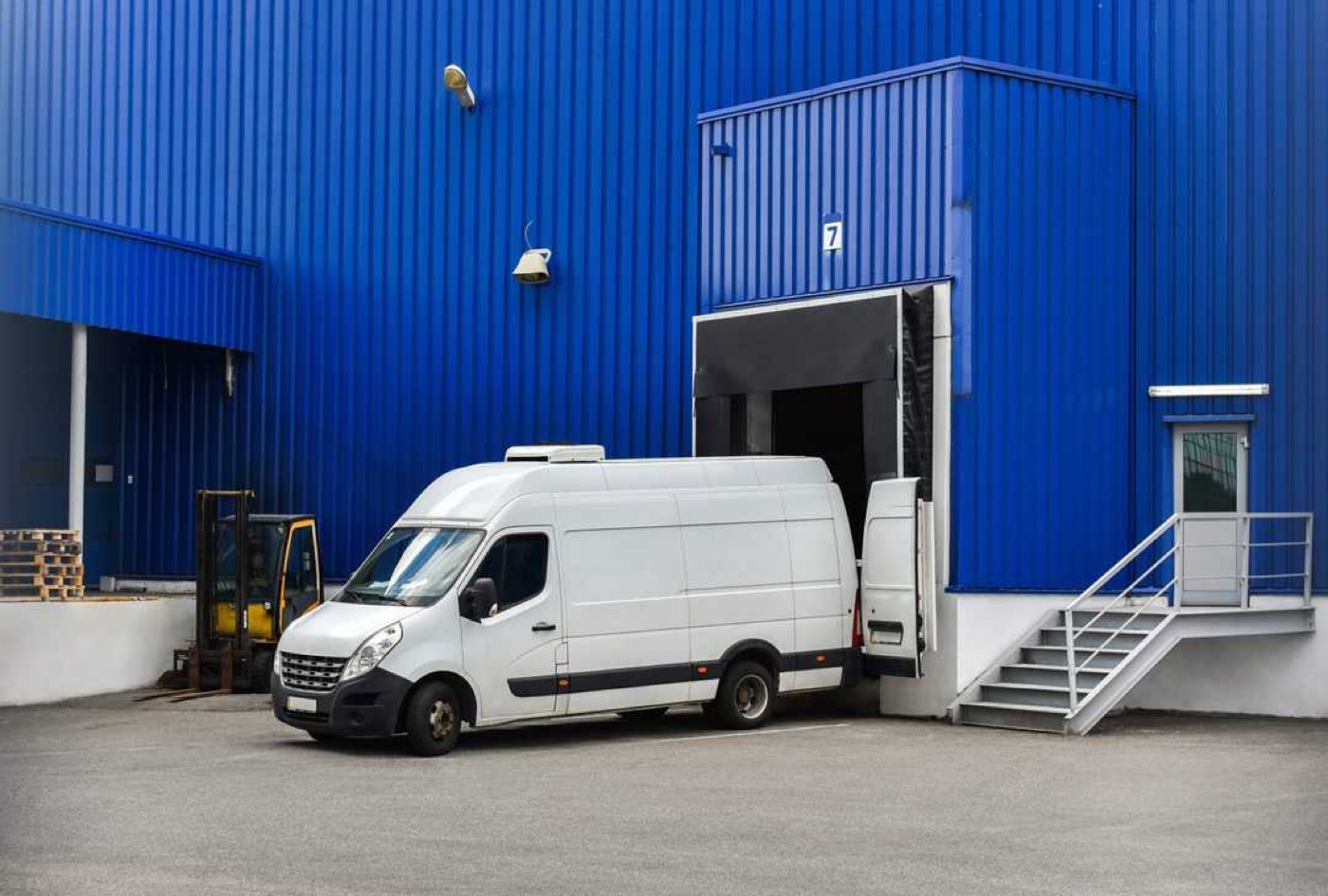
A van docked at a distribution centre loading bay

Pharmaceutical & medical

Cold chain with a name against it.

Medication, medical devices, laboratory samples and patient records move under one discipline: a trained driver, a compliant vehicle, tracked from collection to signature.

  • Typical load. Medication, medical equipment and devices, laboratory samples and patient records.
  • Time window. Booked slots, same day. Emergency collections around the clock, including nights and weekends.
  • How we run it. GDP-trained drivers, vehicles held to MHRA standards and GPS tracking on every consignment. If a fridge unit fails, a back-up vehicle is dispatched and the load is transferred cold.
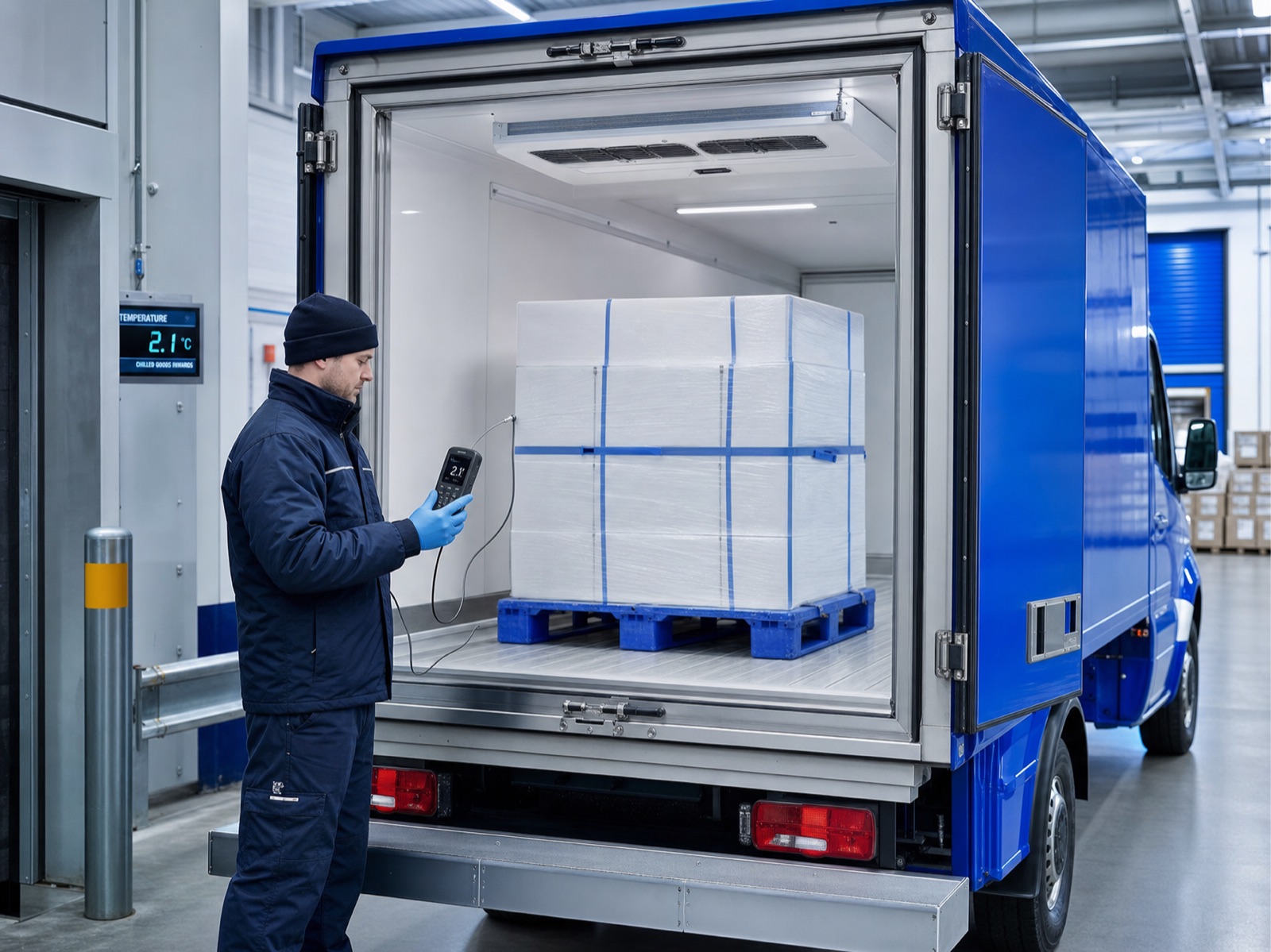
An operator checking the temperature reading at the tail of a refrigerated vehicle

Retail & parcel

Up to 100 stops. Every one proved.

Store replenishment and parcel rounds planned as a route, not a queue. The driver leaves with the day's sequence and comes back with a signature for each drop.

  • Typical load. Cartons, cages and parcels for stores, showrooms, offices and home addresses.
  • Time window. Planned daily rounds, up to 100 stops a day on a multi-drop van.
  • How we run it. Electronic proof of delivery captured at every door and live tracking through to the final drop. Contract rounds get a named driver, a dedicated vehicle, loading kit and back-up cover — with the driver's National Insurance, tax and holiday pay carried by us.
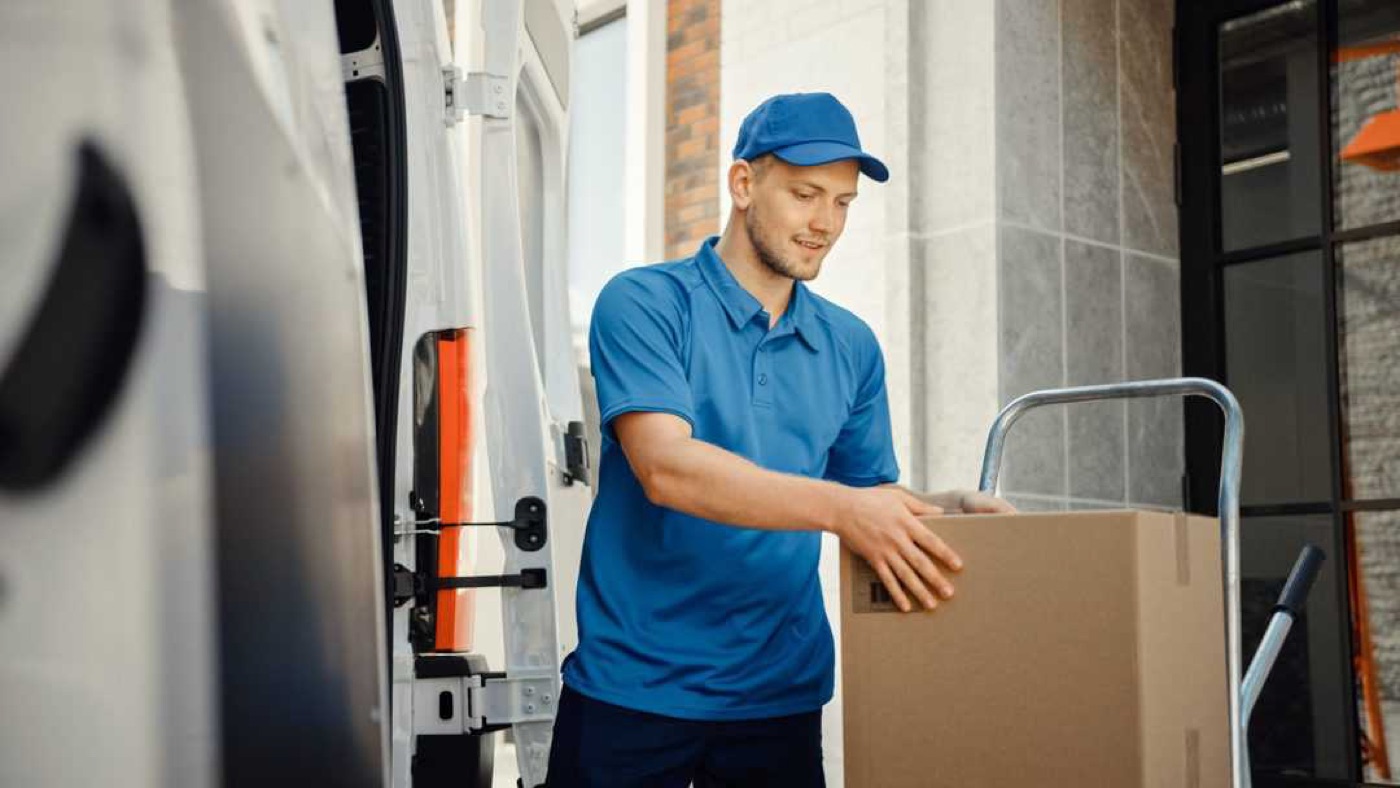
A driver loading boxes into a van with a sack truck

Construction & industrial

Booked onto the gate, not left at it.

Building materials, fixings and plant parts into sites and trade counters, where a missed slot costs a crew half a day and a missing part stops the job outright.

  • Typical load. Palletised materials, fixings, tools and oversized items — up to 1,350 kg in an XL van, or full loads on 7.5T and above.
  • Time window. Early starts and booked gate slots, plus call-outs the moment a job stops for a missing part.
  • How we run it. Vehicle matched to the access, not the invoice: a motorbike for a single part with no congestion charge or T-charge, a Luton or 7.5T for a pallet run. Barrows and straps travel with the driver.
Photography to be shot — building materials on a pallet at a site gate

Events & exhibitions

Build-up and breakdown, to the hour.

Stands, staging, flowers and catering kit into venues that open their doors for a set window — and want everything gone again by a set hour.

  • Typical load. Stand freight, staging and AV cases, flowers, textiles and catering stock.
  • Time window. Build-up and breakdown slots, evenings and weekends included.
  • How we run it. One job, one vehicle, direct from door to venue with no depot stop in between. Chilled kit travels under the same temperature record as any food run, and drivers stay to move it in where the venue requires it.
An articulated trailer on the motorway

Constant across all five

What does not change by sector.

Multi-drop ceiling

100 stops

Planned as one route a day, with proof of delivery captured at every door.

Cold chain record

3 readings

Before loading, in transit and on delivery — then signed by the receiving site.

Quote response

30 min

A call back within 30 minutes during office hours, whatever the sector.

Fleet age

5 years or under

Motorbikes, vans, Lutons, 7.5T and refrigerated trailers to 13.6 m.

Not on the sheet

The other trades on the run sheet.

Five sectors cover most of the week, not all of it. The same fleet, the same hours and the same paperwork apply to everything here.

  • Wholesale — Depot-to-depot pallets, hub to hub, chilled or ambient.
  • Catering — Kitchen stock and event food, kept cold where it has to be.
  • Textiles — Cartons and rolls into shops, showrooms and exhibition stands.
  • Flowers — Early-morning market runs, cool from the market to the door.
  • Bakery — Trays out before service, seven days a week.

One number for every sector.

Tell us what moves and when it has to land.

We quote on the route, the vehicle and the temperature — not on a table of averages. Call operations directly, day or night.